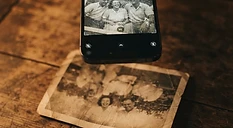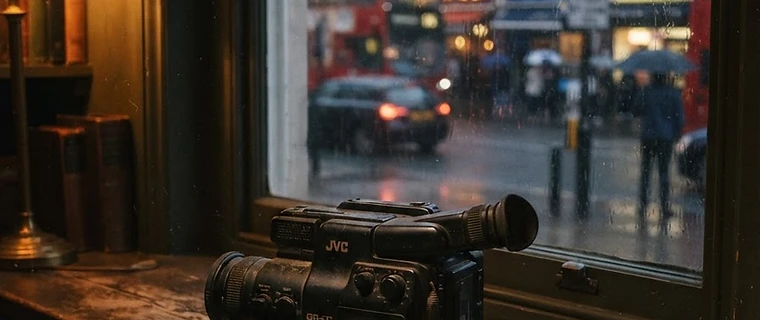
When you filmed a birthday party on a camcorder in 1987, you weren't trying to document history. But the background — the shop fronts, the cars, the fashions, the streets before regeneration — has become exactly that.
Accidental Archives
Local history archives rely heavily on formal collections: council records, press photography, survey images. What they rarely capture is the everyday texture of a place — the corner shop that's now a block of flats, the pub sign that's been replaced, the double-yellow lines that didn't exist yet.
Your home videos fill that gap. A panning shot across your street in Wandsworth, a walk through Camden Market, a clip of Saturday shopping in Woolwich — these are records that no official archive thought to keep.
Why London Footage Is Especially Urgent
London has reinvented itself faster than almost any UK city over the last 40 years. The Docklands, the King's Cross area, the Olympic Park site, Elephant & Castle — whole neighbourhoods have been demolished and rebuilt. Much of what existed in 1985 simply doesn't anymore.
A 30-second clip of a street that no longer exists is irreplaceable primary source material.
What Historians Look For
If you're considering donating digitised footage to a local history project, archivists value:
Context shots
Pans, wide shots and street-level footage that show buildings, signage and street furniture in passing.
Dated material
Clips with recognisable events — a royal visit, a march, a street party — that pin the footage to a specific moment.
Everyday life
Shopping, commuting, kids playing. The ordinary that becomes extraordinary with distance.
Digitise First, Decide Later
You don't need to know what you'll do with the footage before you digitise it. The priority is getting it off the tape while the signal survives. Once it's digital, you can share it, donate it, or simply keep it — but the window to capture it is closing every year.
For customers in London and the South East, we offer advice on local history archives that may be interested in your footage after transfer.